


FAQs of Kilimanjaro

Kilimanjaro
Kilimanjaro FAQs
Climbing Kilimanjaro is an epic journey to conquer both mountains and doubts. Drawn from our years of experience in running treks to Kilimanjaro and questions asked by our previous guests, we have compiled a list of Kilimanjaro Frequently Asked Questions to help you plan your Mount Kilimanjaro Climbing.
Faq
Asked Questions
The Best Time to Climb Kilimanjaro is during the dry seasons – January to mid-March and June to October. These periods offer more stable weather and better climbing conditions. The skies are generally clearer, and there is a lower chance of rainfall, making it more enjoyable to ascend the mountain.
The difficulty level of Climbing Mount Kilimanjaro varies depending on the chosen route. Routes like Marangu and Rongai are considered easier, as they have gentler gradients and shorter durations. On the other hand, Kilimanjaro Routes like Machame and Lemosho are more challenging due to steeper sections and longer trekking days. Overall, Kilimanjaro is a physically demanding climb, and climbers should be in good physical condition and mentally prepared for the altitude and long days of trekking.
While prior climbing experience is beneficial, it is not mandatory to Climb Mount Kilimanjaro. Many successful climbers with good fitness and determination reach the summit. However, being physically fit and participating in some preparatory hikes or trekking at high altitudes can help increase your chances of reaching the summit.
Climbers require a Mount Kilimanjaro Climbing permit, which is issued by the Kilimanjaro National Park Authorities. Your tour operator will arrange the necessary permits as part of the package. You typically need a Kilimanjaro National Park permit, camping and hut fees, and possibly a rescue fee. Non-Tanzanian climbers require a valid Tanzanian visa. However, verify current requirements before planning your ascent.
Yes, Altitude Sickness is a real concern during the climb. As you ascend higher, the air pressure decreases, leading to lower oxygen levels. It is essential to choose a slower Kilimanjaro Route with ample acclimatization days, stay hydrated, and listen to your body. Guides are trained to monitor climbers' health and recognize symptoms of altitude sickness to ensure a safe Mount Kilimanjaro Climb.
The duration of a Mount Kilimanjaro Climb varies with the chosen route. On average, climbs range from 5 to 9 days, with additional days included for acclimatization purposes. Longer routes tend to have higher success rates as they allow for better acclimatization.
Climbers can choose between camping accommodations or huts on some Kilimanjaro Routes, like the Marangu Route. Camping is the most common option and offers a closer connection to nature. Tents and sleeping gear are provided, and campsites are set up along the routes.
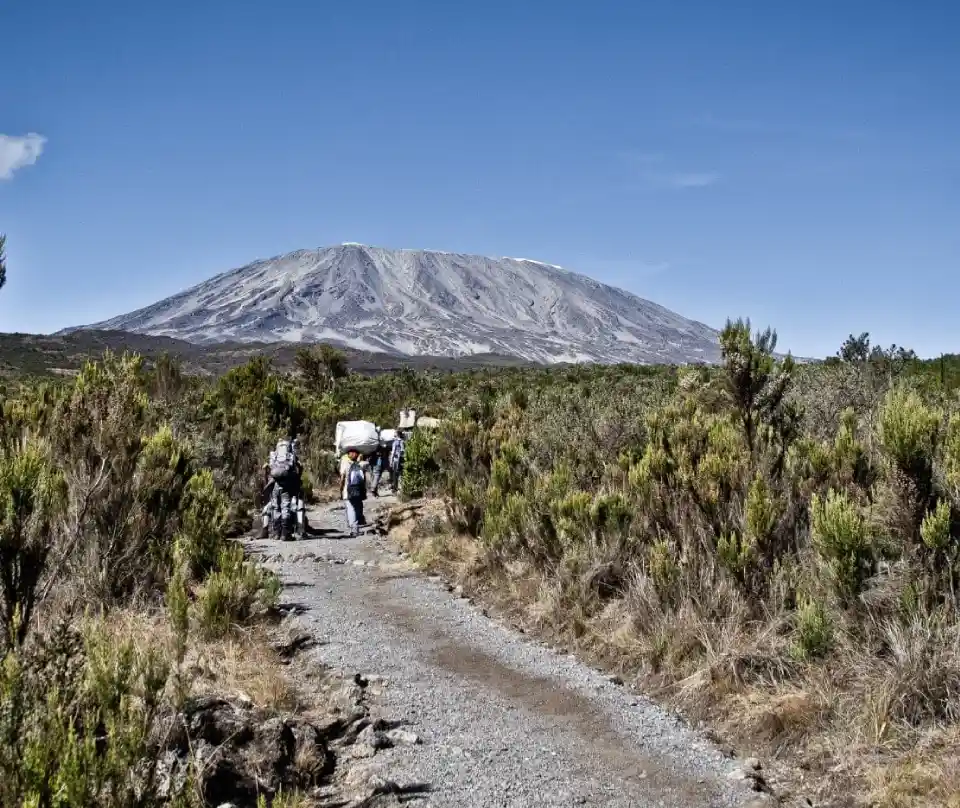
Mount Kilimanjaro stands at 5,895 meters (19,341 feet) above sea level, making it the highest freestanding mountain in the world. Climbing to the summit, Uhuru Peak, is a challenging feat, and altitude becomes a significant factor during the ascent.
Hiring a certified guide is mandatory for all climbers on Kilimanjaro. Guides are experienced in leading climbs and ensuring safety. Additionally, Kilimanjaro Porters are highly recommended to assist with carrying equipment, food, and camping gear. So that climbers can focus on the climb without carrying heavy loads.
Climbing Mount Kilimanjaro without a guide is not allowed. Solo climbers must join organized group climbs with experienced guides for safety reasons. Group climbs are not only safer, but they also support throughout the journey. By joining a guided group climb, you'll have professional assistance and increased chances of a successful summit.

0 k
Active Traveller0 k
Tour Organised0 +
Years Experience0 +
Award Winning
Discover Kilimanjaro
Kilimanjaro Travel Guides
When to Climb Kilimanjaro?
Mount Kilimanjaro, standing at 5,895 meters (19,341 feet), is the highest peak in Africa .
Kilimanjaro Packing List
Kilimanjaro Packing List can be a daunting task, so we’ve made it for you by putting together .
Cost to Climb Kilimanjaro
Climbing Kilimanjaro is a once-in-a-lifetime experience that requires careful planning.


Let's Plan Your Next Trip
Plan your dream Tanzania trip—wild safaris, Mount Kilimanjaro climbs, and Zanzibar’s stunning beaches await.
Mount Kilimanjaro Climbing
Related Tour Packages


Our Testimonials
Exceptional Experience from Start to Summit!

